Pole Barn Insulation: Best Options for Walls, Roofs, and Concrete Slabs (Save Money Without Losing Performance)
If you're researching pole barn insulation, you're probably trying to solve one of these problems:
-
your pole barn gets extremely hot in summer
-
it’s freezing in winter
-
condensation is forming on metal panels
-
tools or equipment need protection
-
you’re turning the structure into a workshop or garage
-
you want the most insulation performance for the lowest cost
The good news is that pole barns are one of the easiest structures to insulate effectively — especially when rigid foam board insulation is used.
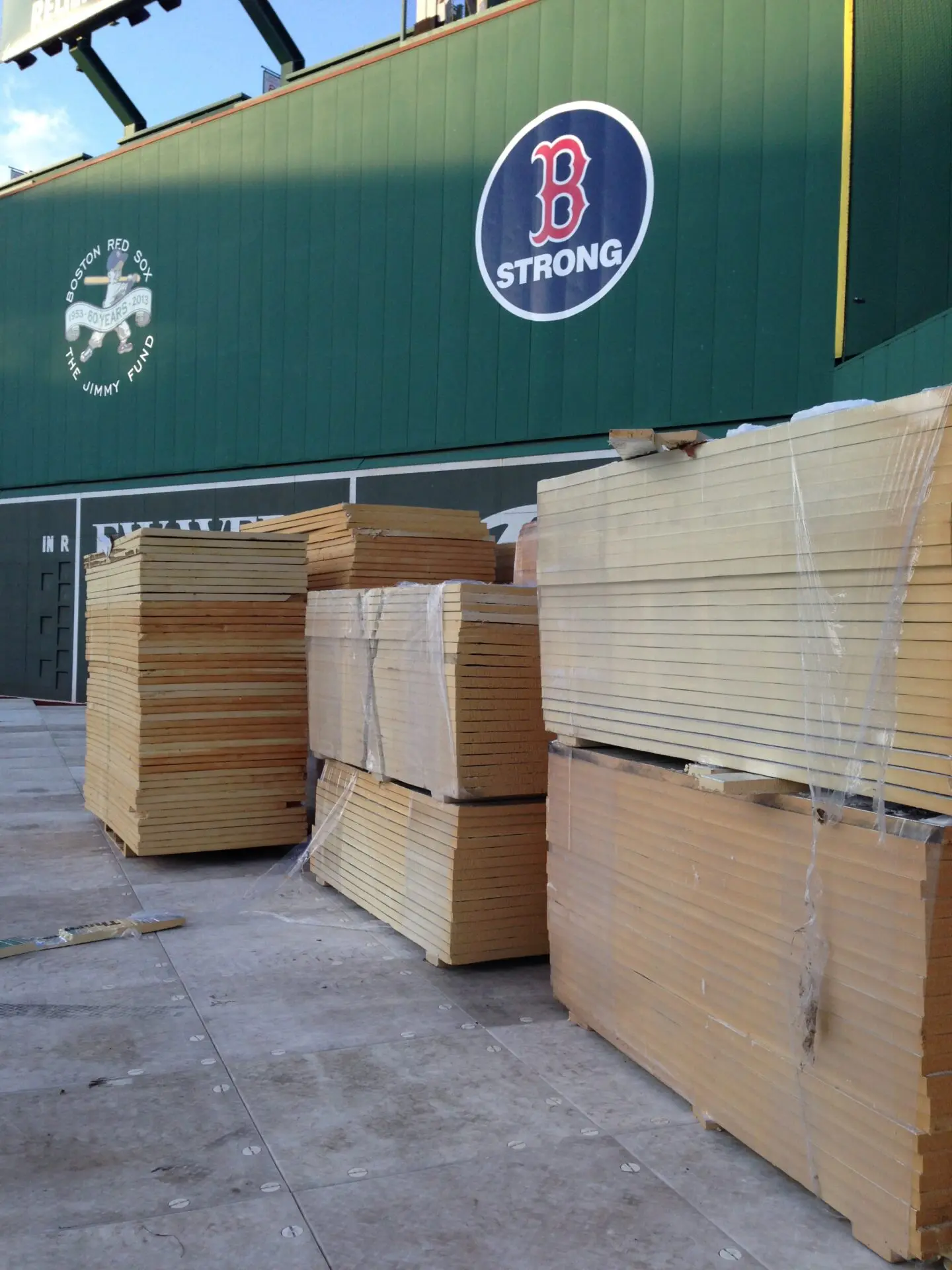
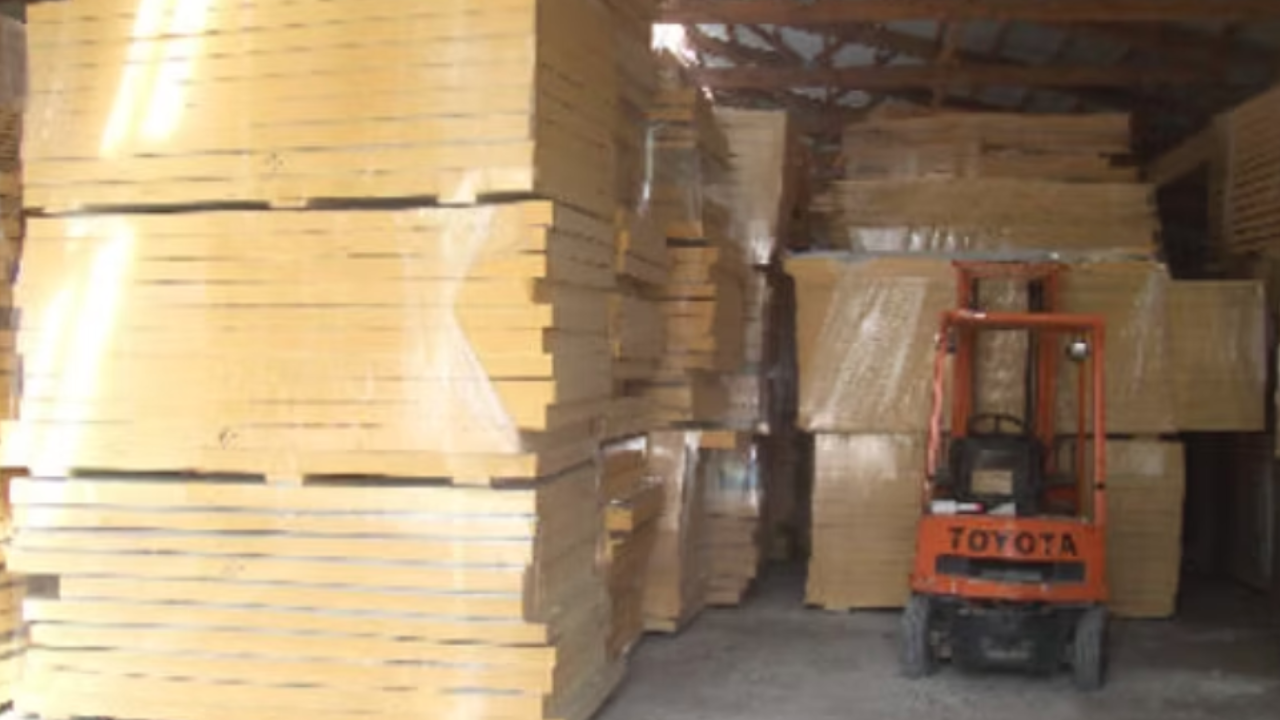
Even better, many pole barn owners can significantly reduce insulation costs by using reclaimed or surplus foam board insulation, which performs similarly to new material but costs much less.
In this guide, we’ll walk through:
-
the best insulation types for pole barns
-
how to insulate walls, roofs, and slabs
-
the cheapest effective insulation strategies
-
how rigid foam board compares to fiberglass
-
when reclaimed insulation makes the most sense
-
how to choose the right thickness
Whether you're insulating a farm structure, workshop, storage building, or hobby space, this guide will help you make the right decision.
Why Pole Barn Insulation Matters More Than Most Owners Expect
Pole barns were originally designed as agricultural structures.
Many were never intended to be heated or cooled.
But today they’re often used as:
-
workshops
-
equipment storage buildings
-
hobby garages
-
home businesses
-
vehicle storage spaces
-
livestock shelters
-
home extensions
Without insulation, these buildings experience extreme temperature swings.
That leads to:
condensation problems
tool corrosion
moisture damage
uncomfortable working conditions
higher heating costs
Proper insulation dramatically improves comfort and protects everything stored inside.
The Three Areas That Need Pole Barn Insulation
A complete insulation strategy usually includes:
-
Walls
-
Roof
-
Concrete slab (optional but powerful upgrade)
Each area plays a different role in temperature control.
Best Insulation for Pole Barn Walls
Pole barn walls are typically framed differently from residential walls.
Instead of standard stud cavities, many pole barns have:
post-frame construction
wide spacing between supports
metal siding
That makes rigid foam board insulation one of the easiest and most effective solutions.
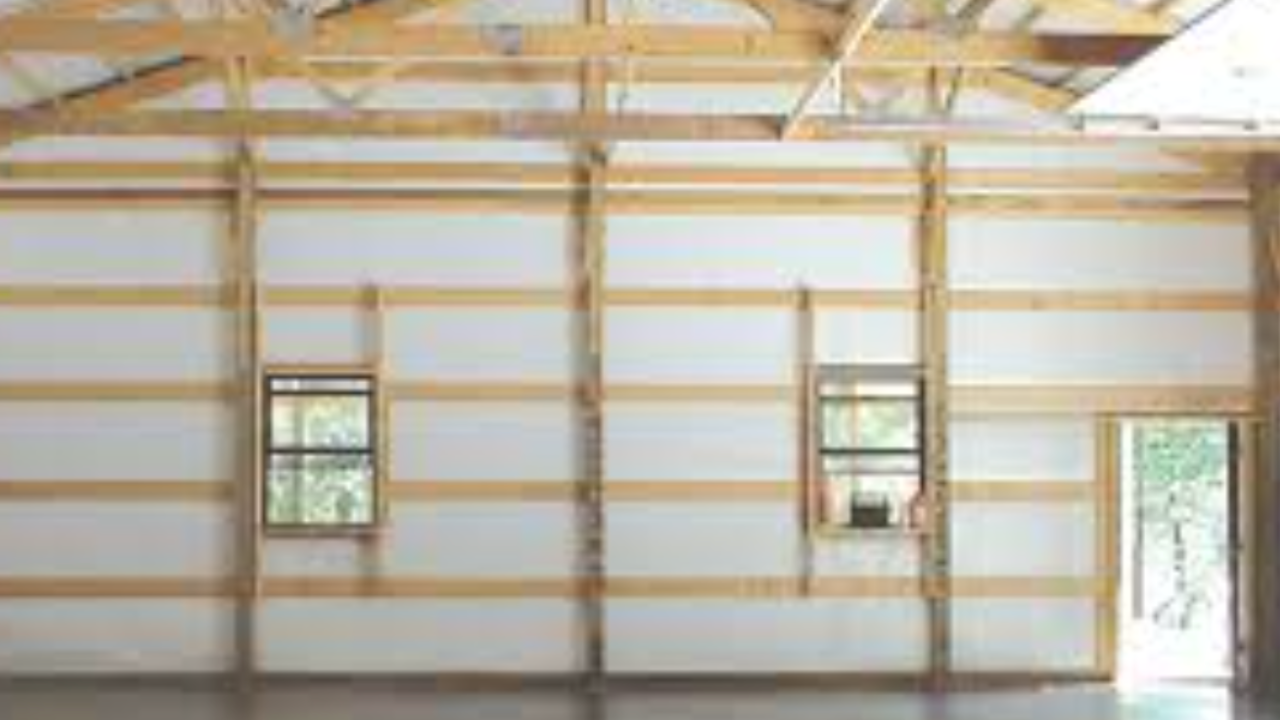
Foam board can be installed:
between framing members
over framing members
behind interior wall panels
This flexibility makes it ideal for pole barn construction.
Why Rigid Foam Board Insulation Works So Well in Pole Barns
Rigid foam board insulation performs especially well in agricultural and workshop environments.
It provides:
strong thermal resistance
moisture tolerance
easy installation
long-term durability
consistent performance
And unlike fiberglass insulation, foam board does not sag or shift over time.
This makes it a favorite among contractors insulating large structures.
The Three Main Types of Foam Board Used for Pole Barn Insulation
Most pole barn insulation projects use one of these rigid insulation materials:
Polyiso insulation
XPS insulation
EPS foam board insulation
Each has slightly different advantages.
Polyiso Insulation for Pole Barn Walls
Polyiso offers the highest insulation value per inch of thickness.
That makes it ideal when:
wall depth is limited
energy efficiency matters
you plan to heat the structure
Polyiso is commonly used in commercial roofing systems and frequently becomes available as reclaimed insulation after reroofing projects.
Because of this, it’s one of the most accessible reclaimed insulation options nationwide.
XPS Insulation for Pole Barn Projects
XPS insulation is known for its strength and moisture resistance.
It works especially well in:
garage-style pole barns
heated workshops
mixed-use agricultural buildings
Many contractors choose XPS when durability matters as much as insulation value.
EPS Foam Board Insulation for Budget-Friendly Projects
EPS foam board insulation is often the most affordable rigid insulation option.
It works well for:
equipment storage barns
detached structures
seasonal-use workshops
livestock buildings
EPS is also widely available through reclaimed insulation suppliers because it’s commonly used in construction projects.
Best Roof Insulation for Pole Barns
Roof insulation is often the most important upgrade you can make.
Metal pole barn roofs transfer heat quickly.
Without insulation, they create:
summer overheating
winter heat loss
condensation dripping
Rigid foam board insulation works extremely well beneath metal roofing systems.
It can be installed:
above roof purlins
below roof panels
between framing layers
This reduces temperature swings dramatically.
Metal Roof Insulation Options That Work Best in Pole Barns
The best insulation for metal roof systems usually includes:
rigid foam board insulation
layered foam panels
taped seam systems
These approaches reduce condensation and improve interior comfort immediately.
Many pole barn owners are surprised how much difference roof insulation alone can make.
Should You Insulate the Concrete Slab in a Pole Barn?
Concrete slab insulation isn’t always required.
But it can significantly improve performance in heated buildings.
Under-slab insulation helps:
retain heat
reduce moisture migration
protect flooring systems
improve winter comfort
Rigid foam board insulation is commonly installed beneath slabs during construction.
In existing structures, perimeter slab insulation is often the next best solution.
Cheapest Effective Pole Barn Insulation Strategy
Many property owners want the best insulation performance without overspending.
A practical approach often includes:
2-inch rigid foam board wall insulation
roof foam board insulation panels
sealed panel seams
This combination improves comfort dramatically without requiring premium materials.
When reclaimed foam board insulation is available locally, costs can drop even further.
Why Reclaimed Foam Board Insulation Is Ideal for Pole Barn Projects
Pole barns are one of the best applications for reclaimed insulation.
Unlike finished interior spaces, appearance usually doesn’t matter.
That makes reclaimed boards a perfect fit.
These materials often come from:
commercial roof replacements
surplus construction inventory
manufacturer overstock
unused pallet quantities
They still perform well but cost much less than retail insulation boards.
Many suppliers sell reclaimed foam board insulation at discounts between:
30% and 70% below retail pricing
This allows pole barn owners to insulate large structures affordably.
How Thick Should Pole Barn Insulation Be?
Thickness depends on your climate and how you use the building.
Typical recommendations include:
1 inch foam board → basic temperature improvement
2 inches → strong wall insulation performance
3 inches or more → heated workshop conditions
Roof insulation may benefit from additional thickness when possible.
Layering foam board panels is a common contractor technique.
Pole Barn Insulation for Heated Workshops
If your pole barn will be heated regularly, insulation becomes more important.
A strong setup includes:
sealed foam board wall panels
insulated roof panels
air gap reduction
optional slab insulation
This combination creates a much more comfortable workspace year-round.
Preventing Condensation Inside Pole Barn Structures
Condensation is one of the most common pole barn insulation problems.
It occurs when warm air contacts cold metal surfaces.
Insulation helps prevent this by stabilizing interior surface temperatures.
Foam board insulation is especially effective because it also reduces air movement within wall systems.
This makes it a strong choice for metal-sided structures.
Comparing Foam Board vs Fiberglass for Pole Barn Insulation
Fiberglass insulation is sometimes used in pole barns.
But it often performs poorly unless installed carefully with interior finishing layers.
Foam board insulation offers several advantages:
better moisture resistance
higher insulation value per inch
longer lifespan
easier installation in post-frame structures
Because of this, many contractors now prefer rigid foam insulation for pole barn upgrades.
Pole Barn Insulation for Agricultural Buildings vs Workshops
Agricultural-use pole barns usually require less insulation than workshop structures.
For example:
equipment storage barns may only need roof insulation
while heated workshops benefit from full wall insulation systems.
Choosing the right insulation level depends on how the structure is used.
Can You Install Pole Barn Insulation Yourself?
Yes.
Rigid foam board insulation is one of the most DIY-friendly insulation options available.
Many property owners install foam board panels using:
construction adhesive
mechanical fasteners
panel seam tape
This makes it easier to complete insulation upgrades without specialized equipment.
How to Reduce Pole Barn Insulation Costs Without Sacrificing Performance
The best strategy is often combining:
rigid foam board insulation
proper air sealing
reclaimed insulation materials
This approach delivers strong thermal performance at a lower total project cost.
Large structures like pole barns benefit especially from reclaimed insulation because material quantities are higher.
Even small savings per board can add up quickly.
Where to Find Pole Barn Insulation Suppliers Near You
Rigid foam board insulation availability changes frequently because reclaimed inventory depends on construction activity and surplus supply.
Many property owners compare suppliers before purchasing to check:
available board thickness
panel sizes
pickup options
delivery availability
Browsing insulation supplier directories is often the easiest way to locate reclaimed foam board insulation suitable for pole barn projects in your region.
Comparing local availability helps ensure you find the best balance between cost and performance for your structure.