Metal Roof Insulation: Polyiso, XPS, and EPS Options for Contractors and DIY Projects
Proper insulation is essential for any metal roofing project, whether you’re a contractor working on a commercial building or a DIY homeowner upgrading your pole barn, garage, or metal-clad home. Metal roof insulation improves energy efficiency, regulates temperature, reduces noise, and helps prevent moisture problems. With the right foam board insulation, including Polyiso (ISO), XPS, or EPS, you can achieve superior performance while also saving money by sourcing reclaimed or surplus boards.
This guide covers everything you need to know about metal roof insulation, including types of foam board, installation tips, cost considerations, and how to select materials that fit your project.
Why Metal Roof Insulation Matters
Metal roofs have unique properties that make proper insulation critical:
- Temperature Regulation: Metal conducts heat quickly. Without insulation, your building can overheat in summer and lose heat in winter.
- Energy Savings: Proper insulation reduces heating and cooling costs by up to 30%, keeping interior temperatures consistent.
- Noise Reduction: Rain or hail can be loud on metal roofs. Foam board insulation dampens sound.
- Moisture Control: Metal roofs can create condensation issues. Insulation with proper vapor barriers helps prevent mold, mildew, and water damage.
For both residential and commercial projects, investing in high-quality rigid foam board insulation is a smart choice for long-term performance.
Types of Foam Board Insulation for Metal Roofs
Choosing the right type of foam board is essential. The three main types are Polyiso (ISO), XPS, and EPS. Each has distinct properties that make it suitable for different applications.
Polyiso (ISO) Foam Board
- High R-value per inch: Around R-6 to R-6.5, excellent for metal roofs where space is limited.
- Lightweight and easy to cut: Ideal for DIY and commercial applications.
- Fire-resistant facing: Often comes with foil facing that acts as a radiant barrier.
- Best use: Flat or slightly sloped metal roofs, attics, and pole barns.
XPS Foam Board
- Moderate R-value per inch: About R-5, providing excellent thermal performance.
- Moisture-resistant and dense: Ideal for metal roofs in humid or rainy climates.
- Durable and long-lasting: Resists compression, making it good for walkable roof areas.
- Best use: Commercial metal roofing, garages, or metal roofs with high exposure to moisture.
EPS Foam Board
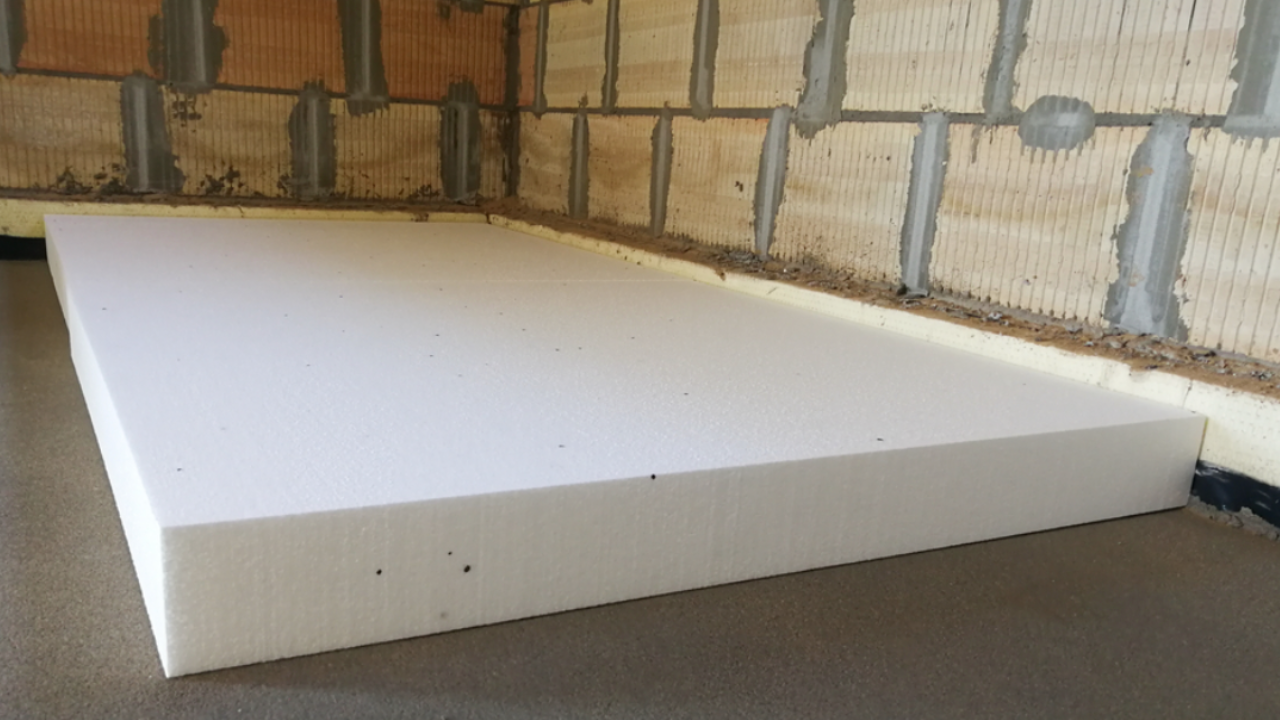
- Cost-effective and lightweight: R-value ranges from R-3.8 to R-4.2 depending on density.
- Easily cut and installed: Suitable for DIY projects and large surface areas.
- Best use: Additional layer under primary insulation or budget-friendly metal roofing projects.
Tip: In many projects, contractors combine foam board types to optimize performance, such as layering Polyiso with EPS for cost savings while maintaining a high R-value.
Reclaimed and Surplus Foam Boards
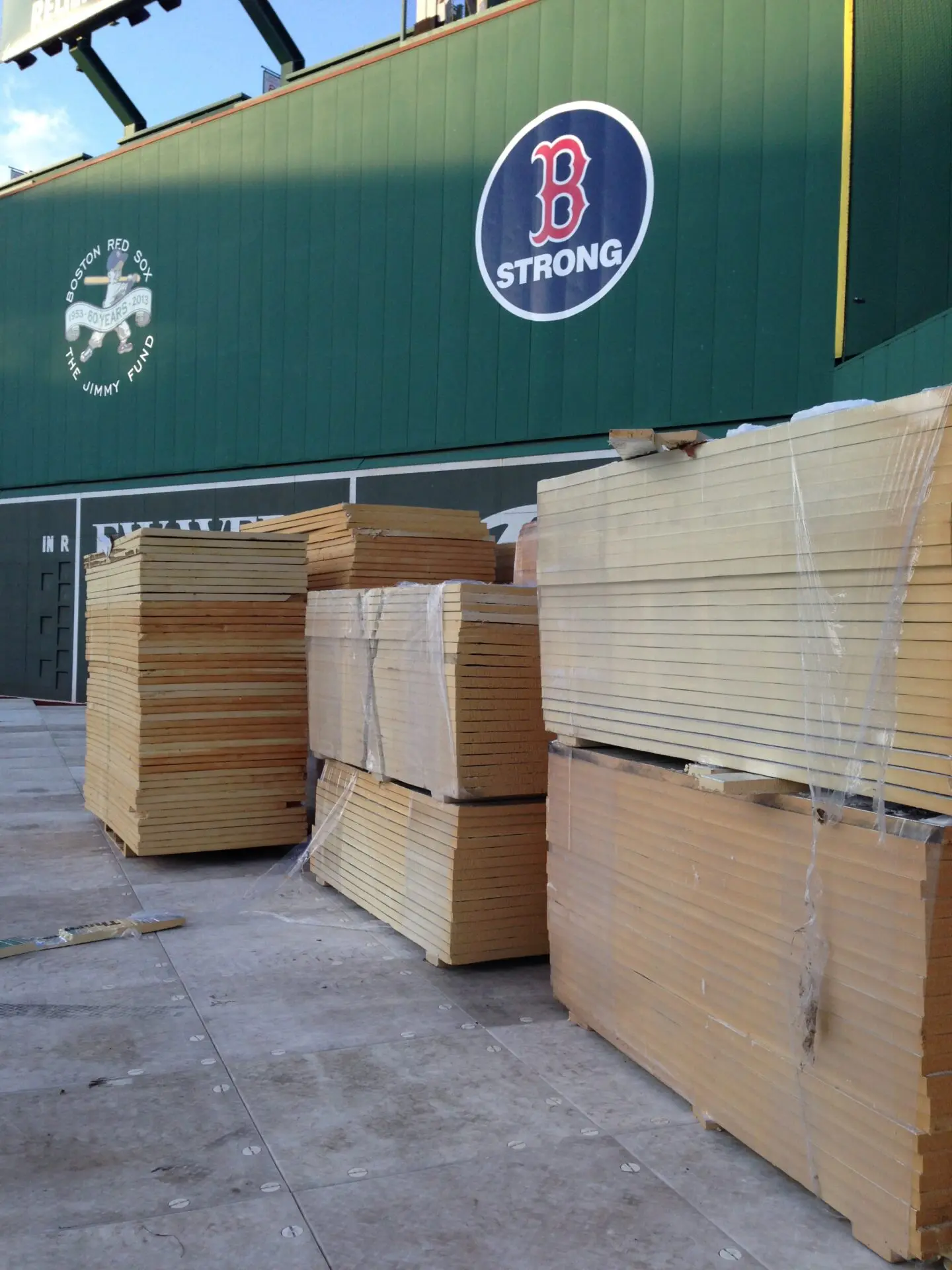
One of the smartest ways to reduce project costs is by using reclaimed or surplus foam board insulation. These boards come from overstock, factory seconds, or lightly used projects and are often indistinguishable in performance from new boards.
Benefits of reclaimed foam board insulation:
- 30–70% cost savings compared to new boards
- Maintains full thermal performance even if cosmetically imperfect
- Environmentally friendly, reducing construction waste
- Can be purchased from local suppliers, industrial resellers, or online marketplaces
For contractors handling multiple projects, sourcing reclaimed foam boards can significantly reduce material costs while maintaining quality.
Installation Tips for Metal Roof Insulation
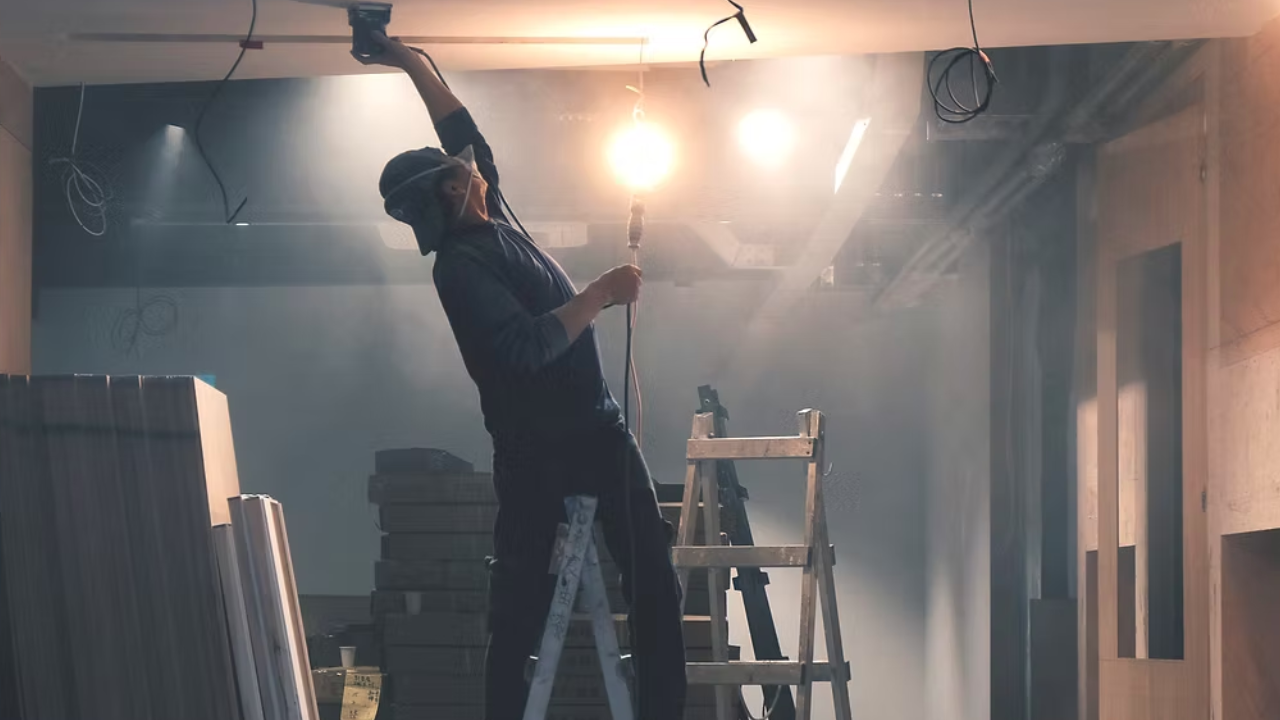
Installing foam board insulation on metal roofs requires careful planning, whether you’re DIY or a professional contractor.
1. Measure and Prepare the Roof
- Calculate total square footage of the metal roof.
- Inspect the roof for leaks, damage, or areas needing repair.
- Ensure the surface is clean, dry, and structurally sound.
2. Choose Board Type and Thickness
- Consider climate, roof slope, and budget.
- Polyiso for high R-value, XPS for moisture resistance, EPS for cost-effective coverage.
- Most residential projects use 2–3 inches; commercial projects may vary based on energy codes.
3. Safety Gear and Tools
- Gloves, dust mask, safety glasses
- Utility knife or circular saw for cutting boards
- Measuring tape, straight edge
- Construction adhesive or foam board tape
4. Install the Boards
- Cut boards to fit snugly between metal framing.
- Secure boards with adhesive or mechanical fasteners approved for metal roofing.
- Seal all seams with foam board tape or spray foam to prevent air leaks.
5. Vapor and Radiant Barriers
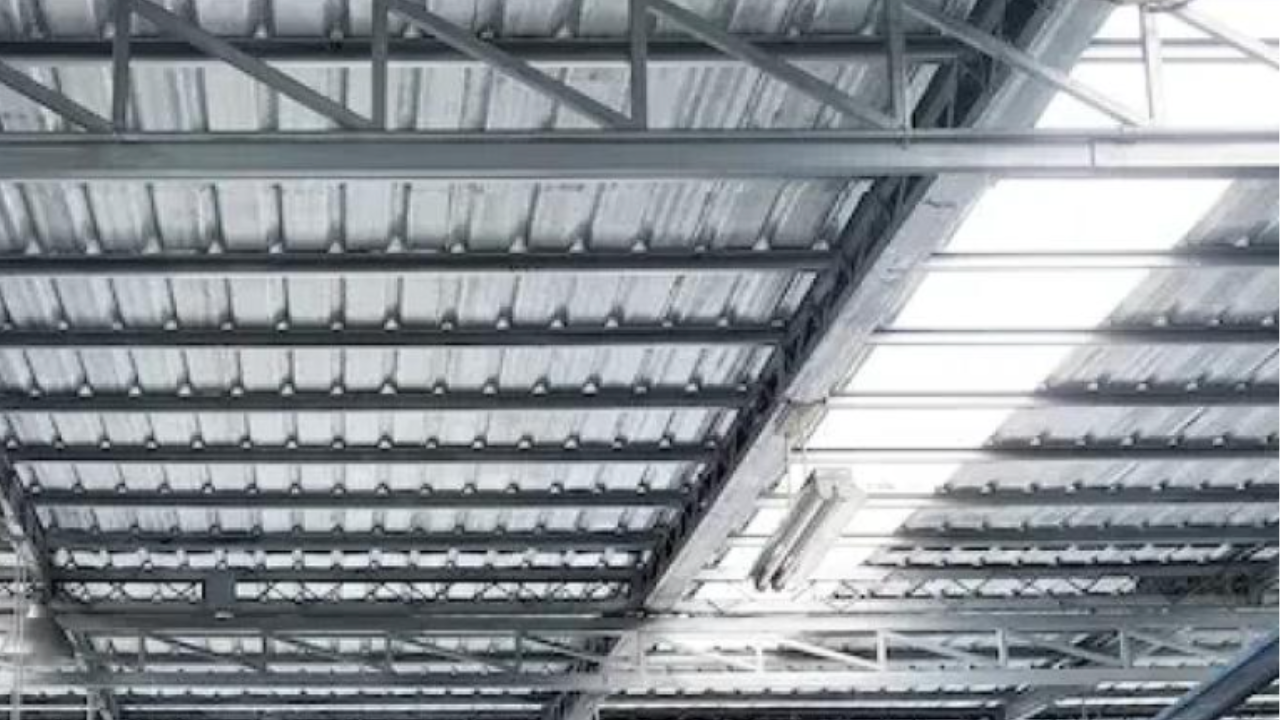
- Many Polyiso boards include foil facings that act as radiant barriers.
- In humid climates, add vapor barriers to prevent condensation under the metal panels.
6. Finishing
- Avoid covering roof vents or obstructing drainage.
- Inspect all seams and gaps, sealing as needed for maximum efficiency.
Tip: Contractors often combine insulation with underlayment or reflective roofing materials for additional energy savings.
Metal Roof Insulation Cost Guide
Understanding metal roof insulation cost is crucial for budgeting. Costs vary based on foam type, thickness, and whether boards are new or reclaimed.
Polyiso (ISO)1–2 inches$0.80–$1.50 / sq. ft.$1.50–$2.50 / sq. ft.High R-value; space-efficientXPS1–2 inches$0.70–$1.30 / sq. ft.$1.40–$2.20 / sq. ft.Moisture-resistant, durableEPS1–3 inches$0.50–$1.00 / sq. ft.$1.00–$1.80 / sq. ft.Budget-friendly, lightweight
Using reclaimed boards can cut overall project costs significantly, especially for larger commercial roofs or multi-building projects.
Benefits of Foam Board Insulation for Metal Roofs
- High R-value per inch: Maximizes insulation without adding bulk.
- Moisture resistance: Especially XPS boards, which resist compression and water absorption.
- Easy installation: Foam boards can be cut and fitted for irregular spaces.
- Durable: Long lifespan under metal roofing.
- Noise reduction: Adds sound insulation, reducing rain or hail impact noise.
Frequently Asked Questions
Q: Can I use reclaimed foam board on a metal roof?
A: Yes — reclaimed or surplus foam boards maintain their thermal performance and are a cost-effective, sustainable choice.
Q: Which foam board type is best for metal roofs?
A: Polyiso is excellent for high R-value in limited space, XPS for moisture-prone areas, and EPS for budget-friendly coverage. Many projects combine types.
Q: How thick should insulation be for a metal roof?
A: Residential projects typically use 2–3 inches; commercial projects may require more based on energy code requirements.
Q: Can I install foam board myself?
A: Small DIY projects are possible with proper tools and safety precautions. Larger projects or complex roof designs are better handled by contractors.
Q: Where can I source foam board insulation?
A: Look for local suppliers, industrial resellers, surplus distributors, or online marketplaces. Reclaimed or factory-second boards are often available at significant discounts.
Conclusion
Proper metal roof insulation improves energy efficiency, reduces noise, prevents moisture problems, and increases comfort in residential and commercial buildings. Choosing the right foam board insulation — whether Polyiso, XPS, or EPS — is key to maximizing performance.
For budget-conscious homeowners and contractors, reclaimed and surplus foam boards offer significant savings without sacrificing quality. Combine proper installation, sealing, and ventilation, and your metal roof insulation project will deliver long-term benefits.
Start planning your metal roof insulation project today — select the right foam board, consider reclaimed options, and enjoy a more energy-efficient, durable, and comfortable space.