
Is Used Insulation Safe? What You Need to Know Before Buying
If you’ve been looking into reclaimed or used insulation, you’ve probably had this thought:
“Is this actually safe to use?”
And honestly… it’s a fair question.
You’re putting this material in your home, your garage, or even a commercial building. The last thing you want is to save money upfront and regret it later.
The good news?
In most cases, used foam board insulation is completely safe—if you know what to look for.
Let’s break it down in a simple, no-BS way.
What “Used Insulation” Really Means
When people hear “used,” they often imagine something worn out or damaged.
But in this industry, that’s not usually the case.
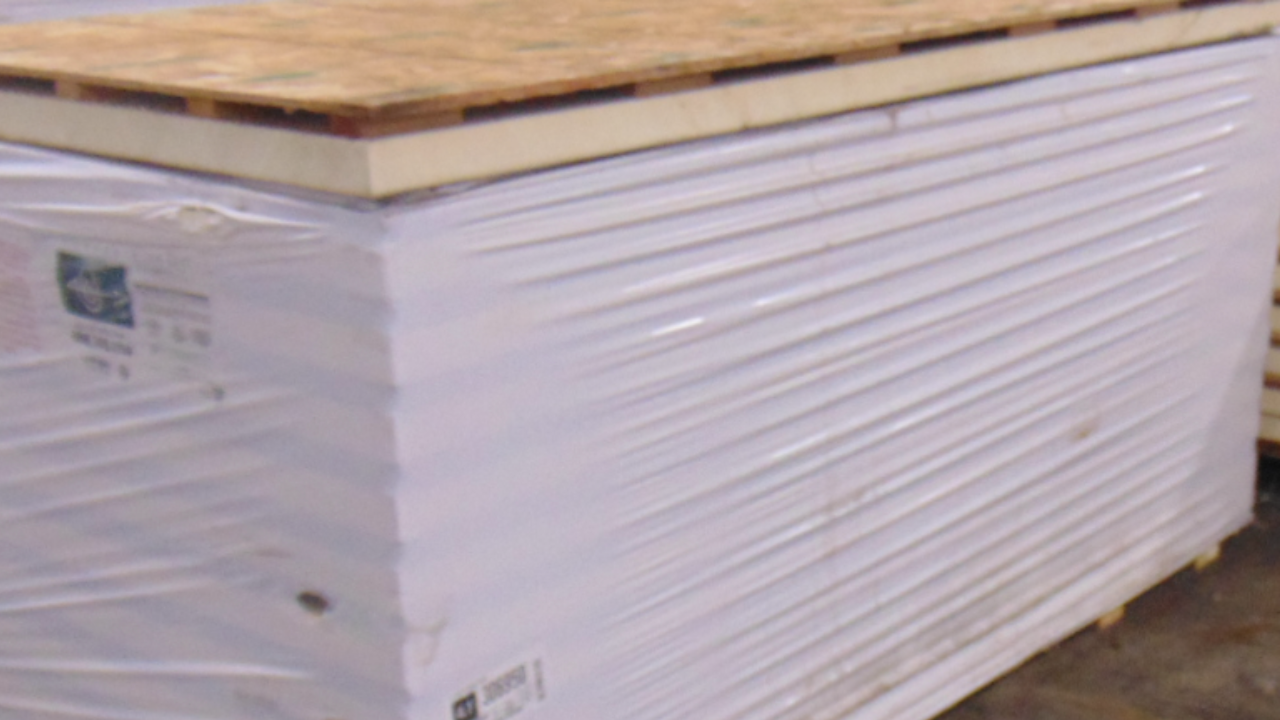
Used (or reclaimed) foam board insulation typically comes from:
-
Commercial roof tear-offs
-
Leftover materials from large construction projects
-
Overstock or surplus inventory
-
Factory seconds (minor imperfections)
In many situations, the boards were:
-
Installed temporarily
-
Protected between roofing layers
-
Removed during upgrades—not because they failed
So performance-wise, they’re often still very solid.
Is It Safe for Your Health?
This is usually the biggest concern.
The short answer:
Yes—rigid foam board insulation (ISO, XPS, EPS) is generally safe, whether new or reclaimed.
These materials are:
-
Widely used in residential and commercial construction
-
Designed to meet building safety standards
-
Not something that “goes bad” like organic materials
What you don’t have to worry about (in most cases):
-
Mold growth (foam doesn’t absorb moisture like fiberglass)
-
Rot or decay
-
Airborne particles from normal use
What you should check:
-
Dirt or debris from previous use
-
Surface damage
-
Exposure to contaminants (rare, but worth asking about)
👉 A quick inspection solves most of these concerns.
Is It Safe Structurally?
Yes—as long as the boards are in good condition.
Rigid foam insulation doesn’t lose its insulating value just because it was previously installed.
✔️ Still performs well if:
-
Boards are intact
-
No major warping
-
Edges are mostly clean
Avoid boards that have:
-
Deep cracks
-
Severe warping
-
Water saturation (rare but possible in poor storage)
When Used Insulation Might NOT Be a Good Idea
Let’s be real—there are situations where you should just go with new.
1. High-Inspection Builds
If you're working on:
-
A permitted build
-
A project with strict inspections
-
Code-heavy environments
You may need:
-
Manufacturer documentation
-
Exact specs
In those cases, new insulation is usually safer.
2. Highly Visible Applications
If appearance matters (finished interiors, exposed areas), reclaimed boards may not look perfect.
3. Specialized Performance Requirements
If your project requires:
-
Exact R-values
-
Specific certifications
Then reclaimed may not always meet those exact specs.
Why Contractors Use Reclaimed Insulation Anyway
Here’s something most people don’t realize:
👉 Contractors use reclaimed insulation all the time.
Why?
Cost savings
Margins matter—especially on large jobs.
Bulk availability
You can often get truckloads at a fraction of the cost.
⚡ Same functional performance
For roofing layers, wall cavities, or under slabs, reclaimed insulation does the job just as well.
How to Tell If It’s Safe Before You Buy
This is where you stay smart.
✔️ Step 1: Ask Where It Came From
Good suppliers will tell you:
-
Commercial tear-off
-
Surplus inventory
-
Factory seconds
This gives you confidence in what you’re buying.
✔️ Step 2: Inspect the Boards
Look for:
-
Flat, intact surfaces
-
Minimal edge damage
-
No strong odors
✔️ Step 3: Ask About Storage
You want:
-
Indoor storage (ideal)
-
Dry conditions
Avoid:
- Boards left exposed to weather long-term
✔️ Step 4: Confirm Type & Specs
Always ask:
-
ISO, XPS, or EPS?
-
Thickness
-
Approximate R-value
DIY vs Contractor: Safety Considerations
DIY Homeowners
You’re usually fine using reclaimed insulation for:
-
Garages
-
Basements
-
Sheds
These are low-risk, high-savings situations.
🏗️ Contractors
You’ll want to:
-
Verify consistency across batches
-
Confirm specs for project requirements
-
Balance reclaimed vs new materials
The Biggest Risk (And How to Avoid It)
The biggest issue isn’t the insulation itself.
👉 It’s buying from the wrong supplier.
That’s why it matters to:
-
Work with reputable resellers
-
Ask questions
-
Compare multiple options
Where to Find Safe, Reliable Suppliers
Instead of guessing or buying blindly, the easiest approach is to:
👉 Look through a directory of foam board insulation suppliers
That way you can:
-
Compare multiple sources
-
Find suppliers near you
-
Ask questions before committing
Final Thoughts
Used foam board insulation isn’t some risky shortcut.
In most cases, it’s:
-
Safe
-
Effective
-
And significantly cheaper
The key is knowing:
-
What to look for
-
What to avoid
-
Who to buy from
Once you understand that, you’re not taking a risk…
👉 You’re just making a smarter buying decision.
👉 Browse suppliers near you to find reclaimed insulation that’s currently available
Listings related to Is Used Insulation Safe? What You Need to Know Before Buying
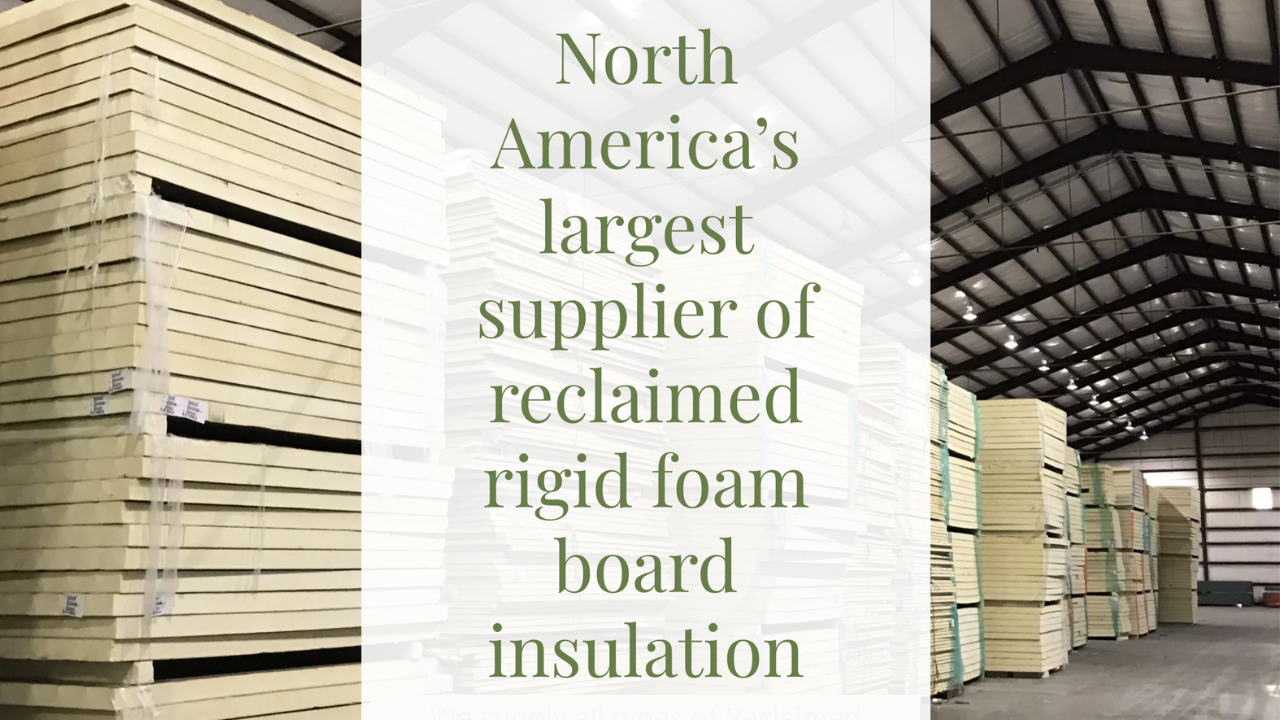
Insulation Depot
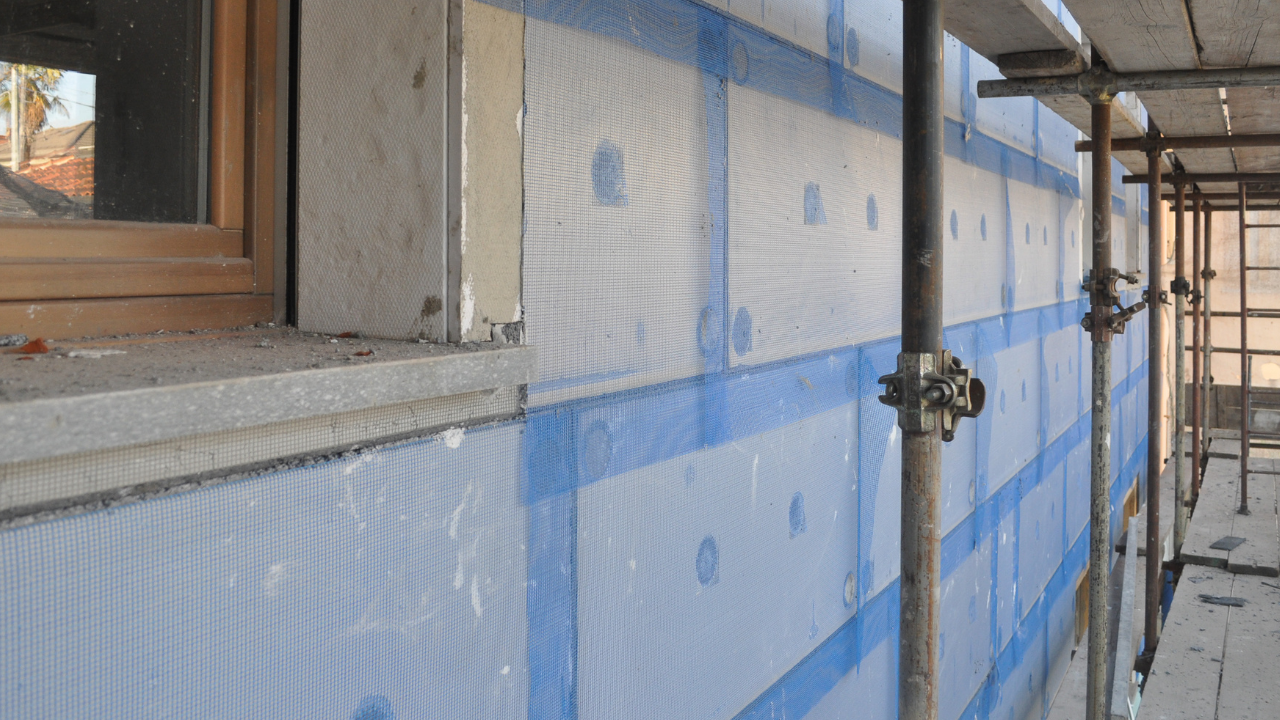
Discount Insulation Company
We are dedicated to saving our clients’ money and energy while choosing sustainable materials. We provide insulation for crawl spaces, garage ceilings, attics and walls.
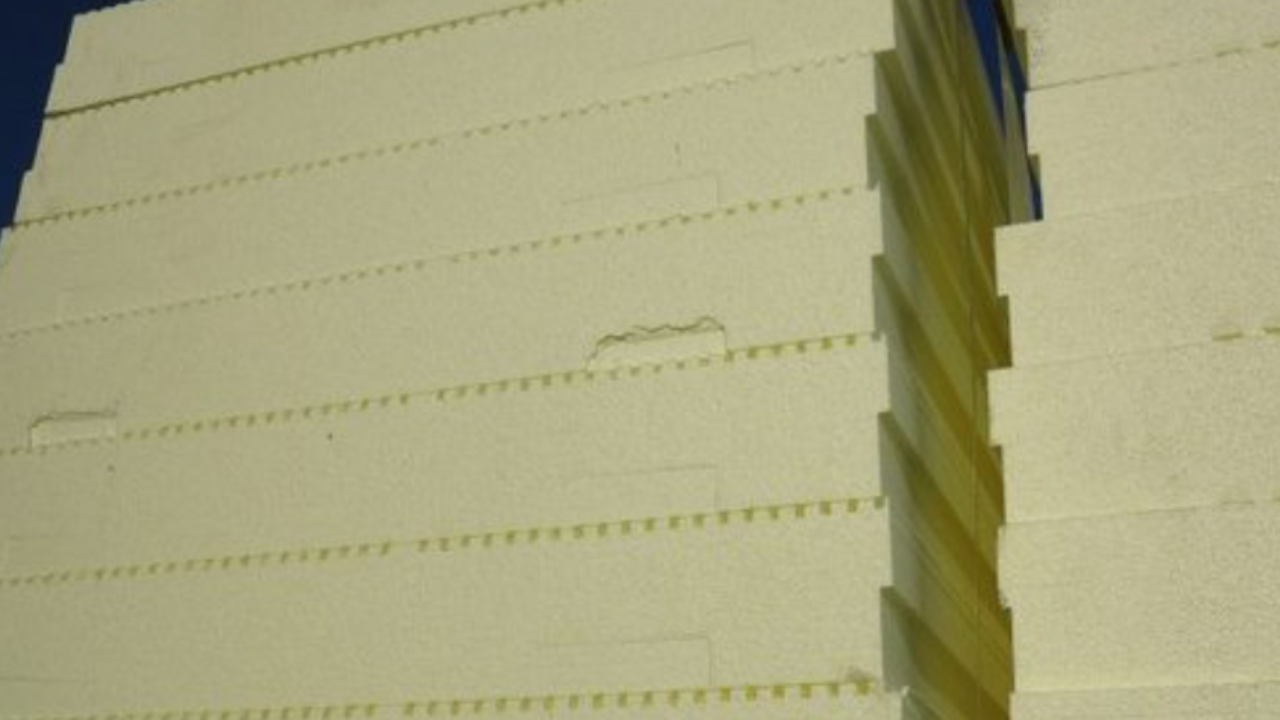
Maine Insulation Systems
Maine Insulation Systems is a full service residential and commercial insulation company.