Insulation Under Concrete Slabs: Foam Board Options for Contractors and DIY Projects
Proper insulation under concrete slabs is a critical part of any construction or renovation project, whether you’re building a pole barn, garage, warehouse, or residential foundation. Installing the right foam board insulation not only improves energy efficiency and comfort but also helps prevent moisture issues and extends the life of the slab.
This guide covers everything you need to know about insulating under concrete slabs, including types of rigid foam board insulation, installation tips, cost considerations, and how to source materials, including reclaimed and surplus options for cost savings.
Why Insulate Under Concrete Slabs?
Concrete slabs are durable and versatile, but without insulation, they can create several challenges:
- Heat Loss: Concrete conducts heat, so uninsulated slabs can lead to cold floors in winter and higher energy costs.
- Moisture Problems: Ground moisture can seep into concrete, causing mold, mildew, or damage to flooring.
- Comfort: Proper insulation keeps floors warmer for residential and commercial spaces.
- Energy Savings: Insulating under slabs reduces heating costs and can improve the efficiency of radiant floor systems.
For commercial projects, such as warehouses or retail spaces, slab insulation also protects stored goods and reduces operational costs.
Types of Foam Board Insulation for Concrete Slabs
Selecting the right foam board insulation is essential for slab projects. The main types are Polyiso (ISO), XPS, and EPS.
Polyiso (ISO)
- High R-value per inch: Around R-6 to R-6.5, making it ideal for limited space under slabs.
- Lightweight and easy to cut: Suitable for DIY and professional projects.
- Fire-resistant facing: Some boards include foil facing for additional protection.
- Best use: Residential and commercial slabs, especially where maximum thermal performance is needed in a thin layer.
XPS Foam Board
- Moderate R-value per inch: Approximately R-5.
- Moisture-resistant and dense: Perfect for slabs that may contact damp soil or water-prone areas.
- Durable and long-lasting: Resistant to compression under heavy concrete loads.
- Best use: Commercial slabs, pole barns, garages, or any project exposed to high moisture.
EPS Foam Board
- Cost-effective and lightweight: R-value ranges from R-3.8 to R-4.2 depending on density.
- Easily cut and installed: Good for large surface areas and DIY projects.
- Best use: Residential slabs, budget-conscious projects, or as a base layer beneath higher-R boards.
Tip: Contractors sometimes combine foam board types, such as layering XPS with EPS, to balance cost, R-value, and moisture protection.
Reclaimed and Surplus Foam Boards
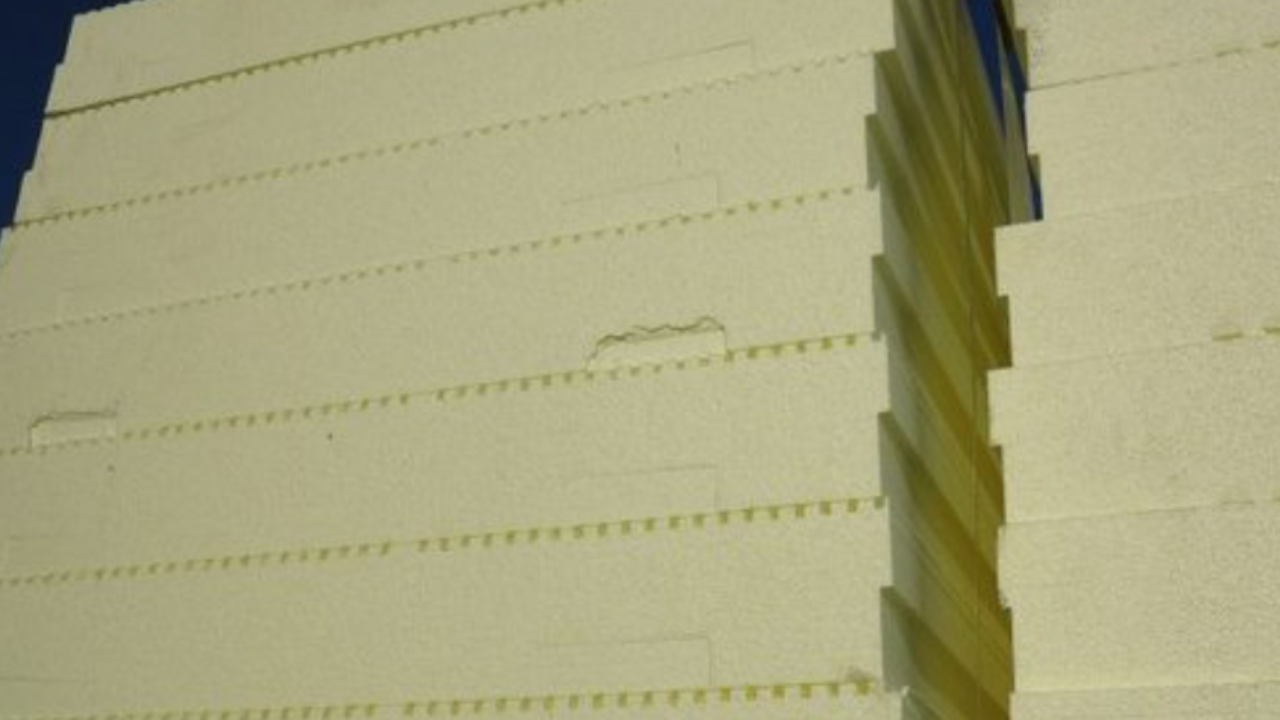
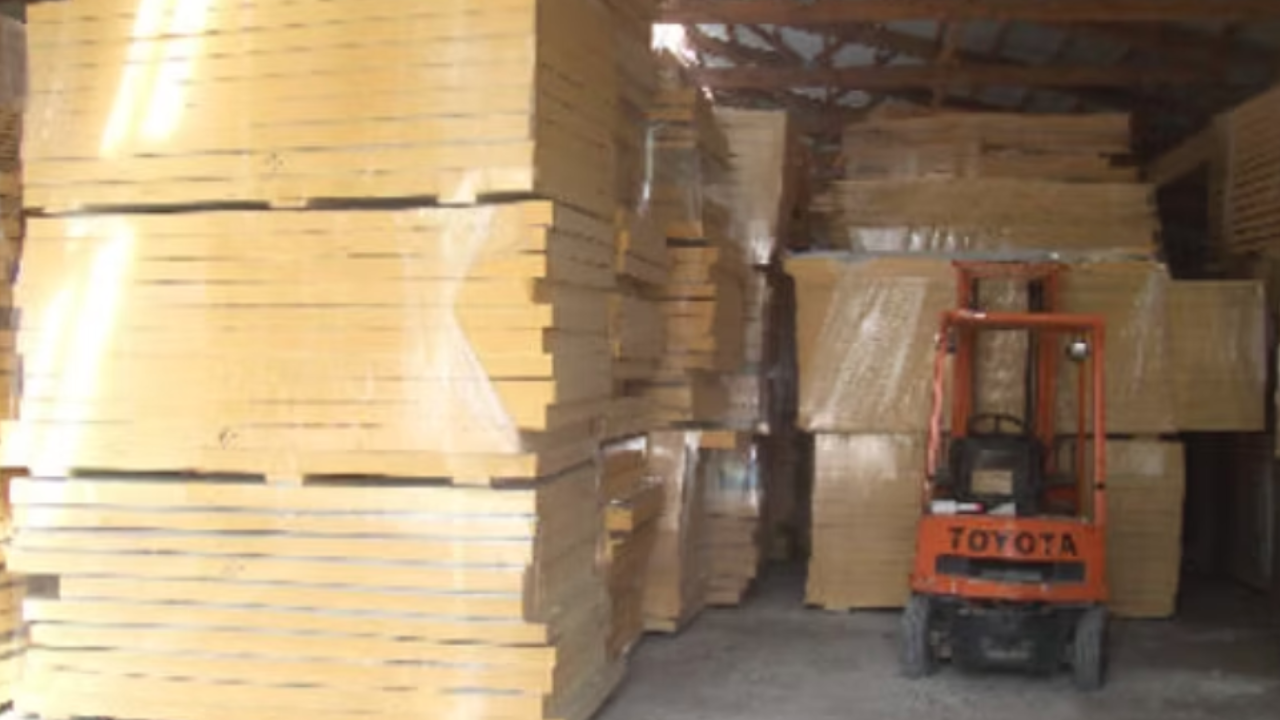
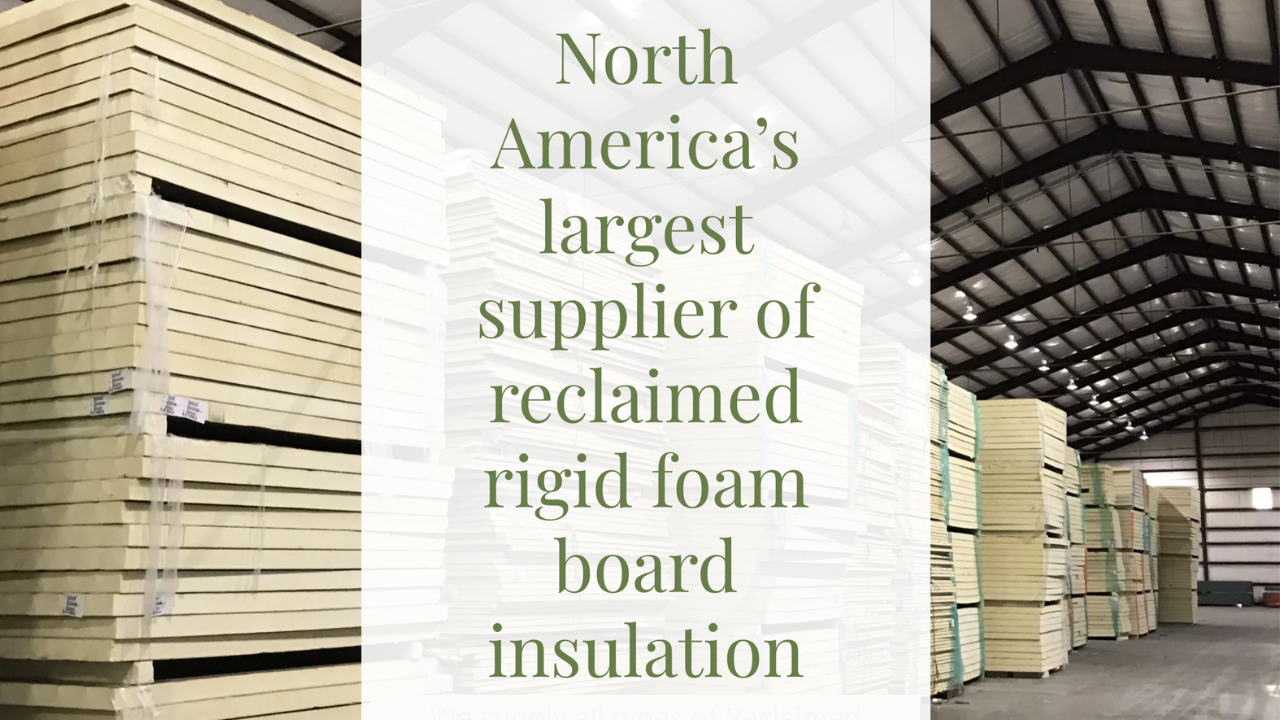
One way to reduce project costs is by sourcing reclaimed or surplus foam board insulation. These boards often come from overstock, factory seconds, or lightly used materials from other projects.
Benefits of reclaimed foam board insulation:
- Cost savings: 30–70% cheaper than new boards.
- Full thermal performance: Functionally identical to new boards, even if cosmetically imperfect.
- Sustainable: Reduces construction waste and environmental impact.
- Availability: Can be sourced from local suppliers, industrial resellers, and online marketplaces.
For contractors managing multiple projects, reclaimed foam boards are a smart way to cut costs without sacrificing performance.
Installation Tips for Insulating Under Concrete Slabs
Installing foam board insulation under concrete slabs requires careful planning. Here’s a step-by-step approach:
1. Prepare the Site
- Excavate the area to the desired depth.
- Remove debris, rocks, and sharp objects that could damage foam boards.
- Ensure a level base, often with compacted gravel, to support the slab and insulation.
2. Select Board Type and Thickness
- Consider project type, climate, and R-value requirements.
- Typical residential projects use 2–3 inches; commercial slabs may require 3–4 inches or more.
- Use XPS for moisture-prone areas, Polyiso for high R-value needs, EPS for budget-friendly options.
3. Install a Vapor Barrier
- Lay a polyethylene sheet or similar vapor barrier over the base before placing foam boards.
- This prevents moisture from reaching the insulation and concrete.
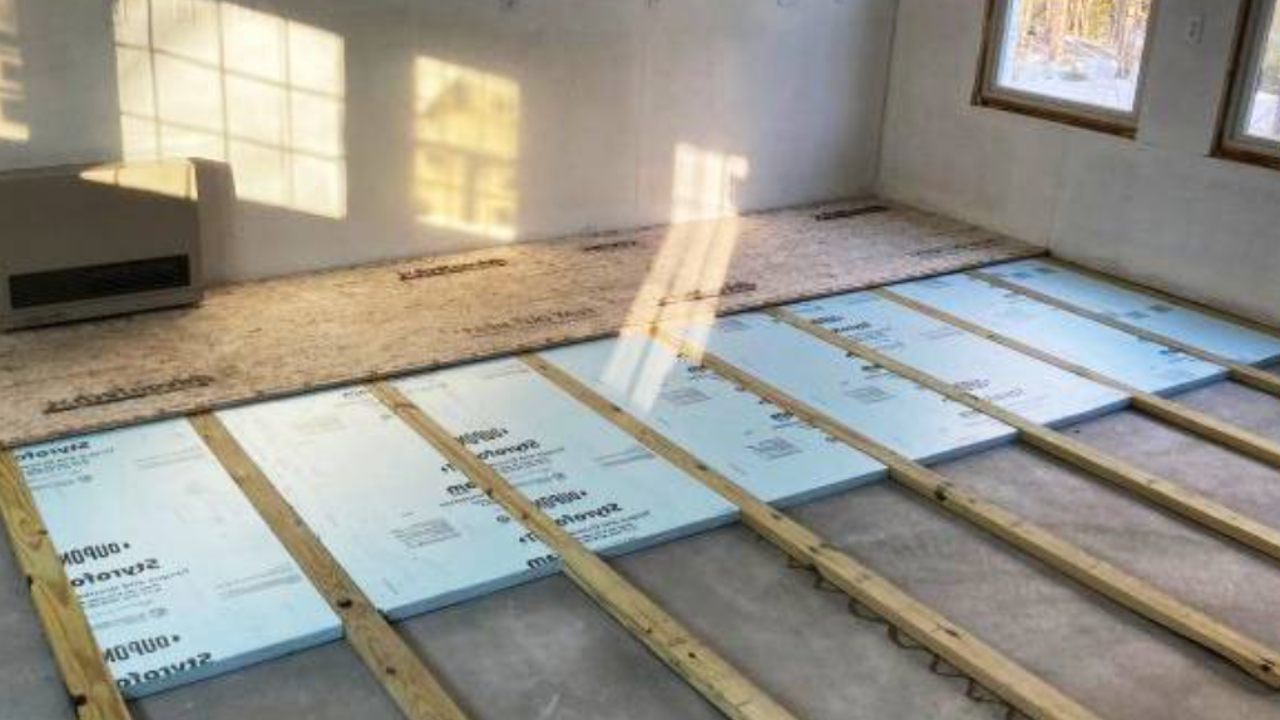
4. Place the Foam Boards
- Fit boards tightly together, minimizing gaps.
- Cut boards to fit around pipes or obstacles.
- Stack multiple layers if needed to achieve desired thickness.
5. Secure the Boards
- Foam boards typically stay in place under the weight of the slab.
- For added stability, use construction adhesive or fasteners recommended for foam boards under concrete.
6. Pour the Concrete Slab
- Place rebar or mesh reinforcement over the foam boards if required.
- Pour concrete carefully to avoid shifting or damaging insulation.
- Smooth and finish the slab as usual.
Tip: Always follow local building codes and manufacturer recommendations for foam board thickness and installation under slabs.
Cost Considerations
Insulating under a concrete slab is an investment, but the right foam board can save money on energy costs over time. Here’s a general cost guide:
Polyiso (ISO)2 inches$0.80–$1.50 / sq. ft.$1.50–$2.50 / sq. ft.High R-value, thin profileXPS2 inches$0.70–$1.30 / sq. ft.$1.40–$2.20 / sq. ft.Moisture-resistantEPS2–3 inches$0.50–$1.00 / sq. ft.$1.00–$1.80 / sq. ft.Budget-friendly
Using reclaimed or surplus boards can reduce overall costs significantly, especially for large commercial or multiple slab projects.
Benefits of Foam Board Insulation Under Concrete Slabs
- Thermal Efficiency: High R-value boards keep interior temperatures stable.
- Moisture Protection: Properly installed boards and vapor barriers prevent condensation and mold.
- Durability: XPS and EPS boards resist compression under concrete loads.
- Cost Savings: Reclaimed boards and efficient installation save money upfront and on energy bills.
- DIY-Friendly: Foam boards are lightweight, easy to cut, and simple to install for homeowners.
Frequently Asked Questions
Q: Can I use reclaimed foam board under a concrete slab?
A: Yes — reclaimed boards maintain full thermal performance and are cost-effective. Inspect for major cracks or damage before installation.
Q: How thick should the insulation be under a slab?
A: Residential projects typically use 2–3 inches; commercial or heavy-load slabs may require 3–4 inches or more.
Q: Which foam board type is best for slab insulation?
A: XPS is excellent for moisture-prone areas, Polyiso for high R-value in limited space, and EPS for budget-conscious projects.
Q: Can I install foam board under a slab myself?
A: DIY installation is possible for small residential projects. Large commercial projects are best handled by experienced contractors.
Q: Where can I buy foam board insulation for slabs?
A: Look for local suppliers, industrial resellers, or online sources. Reclaimed and surplus boards are often available at significant discounts.
Conclusion
Insulating under concrete slabs is essential for energy efficiency, comfort, and durability in residential and commercial buildings. Choosing the right foam board insulation — Polyiso, XPS, or EPS — ensures maximum thermal performance and moisture protection.
For cost-conscious homeowners and contractors, reclaimed or surplus foam boards offer substantial savings without sacrificing quality. Pair the right foam type with proper installation, vapor barriers, and sealing, and your slab will perform efficiently for years to come.
Whether you’re building a pole barn, garage, warehouse, or home foundation, proper slab insulation pays off in energy savings, comfort, and long-term durability.