Commercial Roof Foam Board Insulation: How Contractors Can Source ISO, XPS, and EPS Nationwide
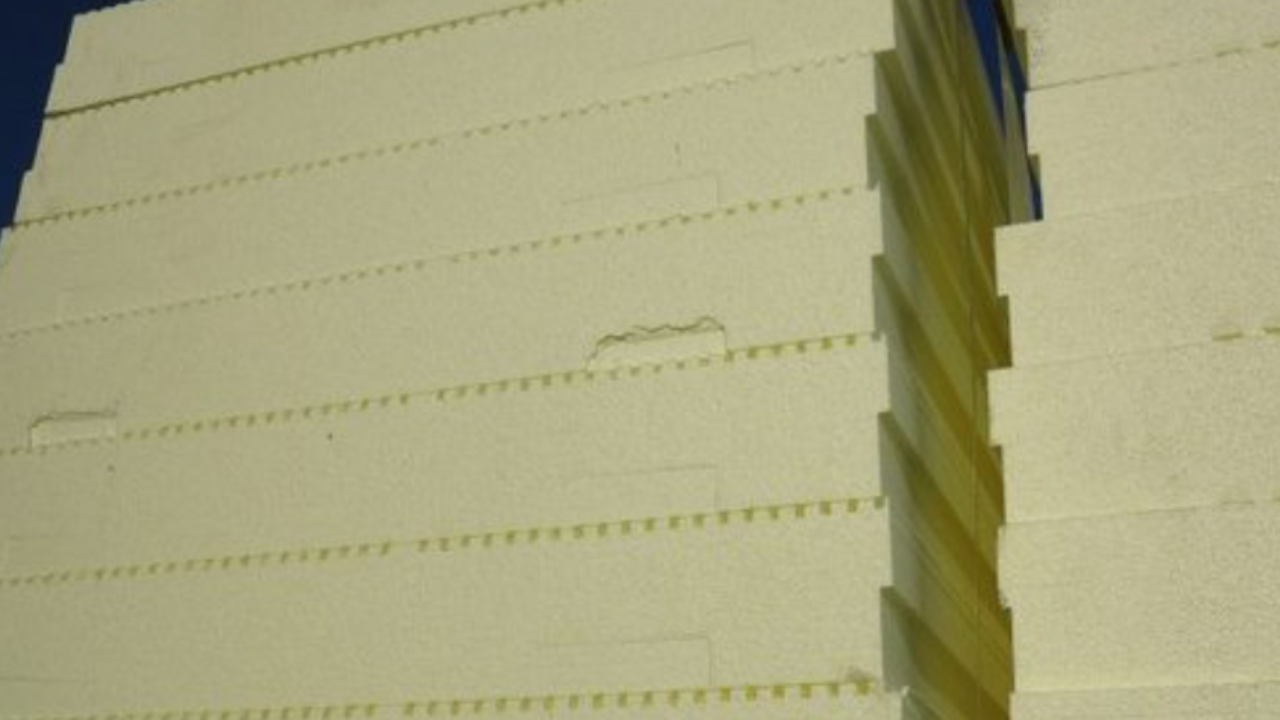
For contractors and commercial building managers, choosing the right foam board insulation for roofs is a crucial decision. With reclaimed, surplus, and factory-second options available, you can significantly reduce costs without sacrificing performance. This guide explains how to source high-quality foam board insulation nationwide, including Polyiso (ISO), XPS, and EPS, and offers practical tips for installation and cost management.
Whether you’re retrofitting a warehouse, upgrading a flat roof, or installing tapered insulation systems, this article provides everything you need to make smart insulation choices.
Why Commercial Roof Insulation Matters
Investing in the right insulation for commercial roofs offers multiple benefits:
-
Energy Efficiency: Proper insulation reduces heating and cooling costs for the building.
-
Durability: Foam board insulation protects the roof from thermal expansion, moisture, and wear.
-
Code Compliance: Ensures the project meets local building and energy codes.
-
Cost Savings: Using reclaimed or factory-second boards can save 30–70% compared to buying new.
Contractors who understand these benefits can make informed decisions for their clients while keeping projects on budget.
Types of Foam Board Insulation for Commercial Roofs
When sourcing insulation nationwide, it’s important to know the differences between Polyiso (ISO), XPS, and EPS boards.
Polyiso (ISO) Roof Insulation
-
Highest R-value per inch — ideal for flat and low-slope commercial roofs.
-
Commonly reclaimed from reroofing projects or factory seconds.
-
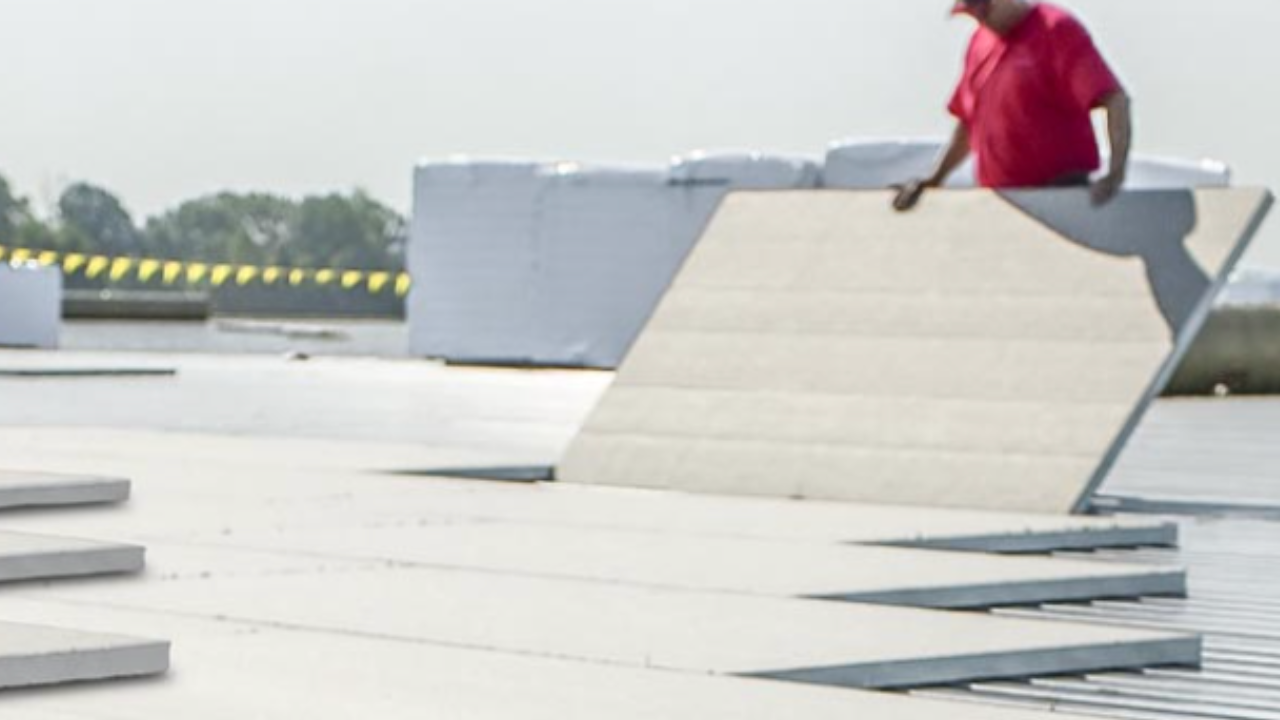
Lightweight yet durable, easy to cut and install for tapered systems.
-
Works well in combination with waterproof membranes for enhanced performance.
XPS Roof Insulation
-
Dense, moisture-resistant insulation.
-
Perfect for areas with water exposure or high foot traffic.
-
Reclaimed XPS boards maintain their moisture resistance, making them suitable for retrofits.
-
Available nationwide through specialty suppliers and industrial resellers.
EPS Roof Insulation
-
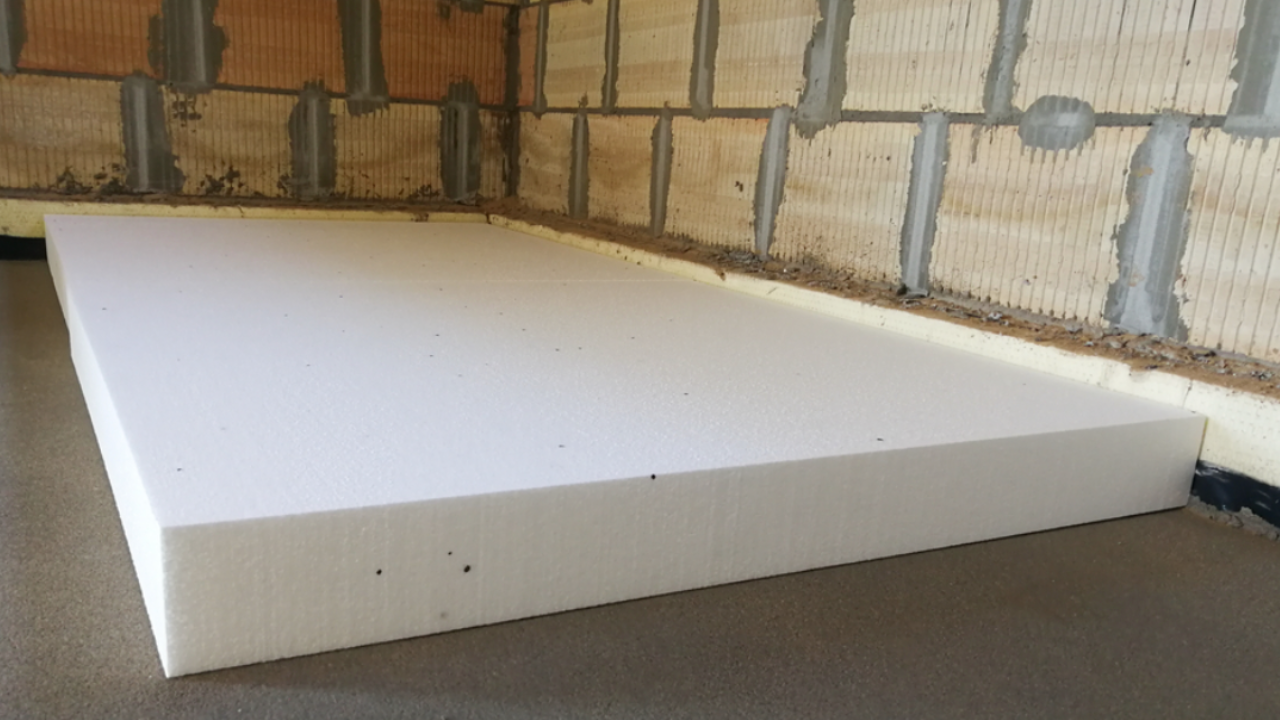
Lightweight and cost-effective.
-
Good option for large commercial projects where weight and budget are concerns.
-
Typically used in warehouses, storage buildings, and industrial facilities.
-
Available as reclaimed, overstock, or factory-second boards from distributors.
Reclaimed vs New Factory-Second Foam Boards
Nationwide, contractors have two main sources for foam board insulation:
-
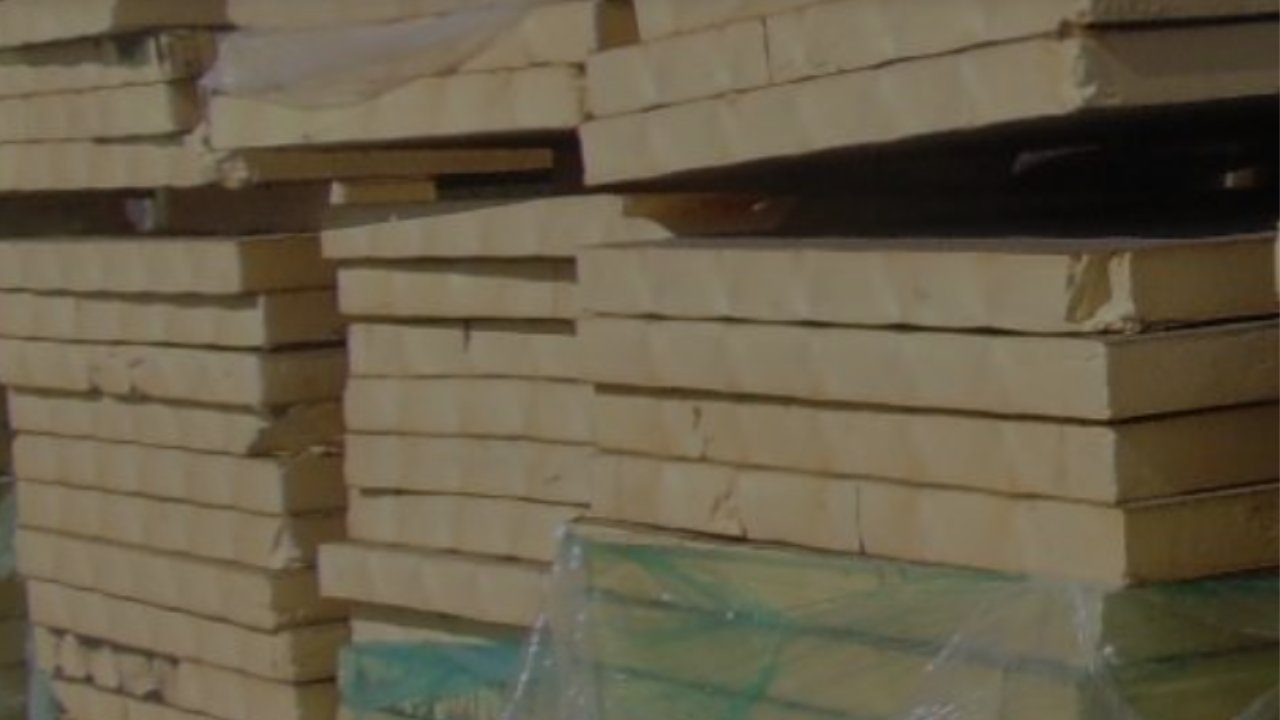
Reclaimed Boards:
-
Recovered from previous projects or surplus inventory.
-
Offer 30–70% savings compared to new boards.
-
Slight cosmetic imperfections but full thermal performance intact.
-
-
Factory-Second or Overstock Boards:
-
Boards that didn’t meet cosmetic standards for retail sale.
-
Nearly identical to new boards, usually sold at a discount.
-
Ideal for clients needing brand-new performance without paying full price.
-
By sourcing nationwide, contractors can combine reclaimed and factory-second boards to meet project requirements while reducing costs.
How to Source Foam Board Insulation Nationwide
1. Identify Reputable Suppliers
Look for suppliers with a history of working with commercial contractors, including:
-
Reclaimed and surplus insulation distributors
-
Factory-second and overstock suppliers
-
Regional and nationwide industrial building material resellers
Many suppliers operate multiple warehouses, offering pickup and delivery options nationwide.
2. Check Availability and Stock
-
Reclaimed boards fluctuate based on project cycles; call ahead.
-
Ask suppliers about pallet or truckload quantities for large projects.
-
Confirm board type, thickness, and R-value to match project specifications.
3. Compare Pricing and Delivery Options
-
Nationwide suppliers may offer freight or bulk discounts.
-
Factor in delivery time, especially for projects with tight schedules.
-
For remote projects, consider suppliers that offer multiple warehouse locations for faster access.
4. Verify Quality and Performance
-
Confirm the insulation type (ISO, XPS, EPS) and thickness.
-
Ask for technical sheets or R-value certifications.
-
Check for minor cosmetic issues — these are acceptable in reclaimed boards but should not affect thermal performance.
5. Use Directory Resources
Your client’s foam board insulation directory provides a centralized list of suppliers nationwide, making it easier to:
-
Quickly locate stock near project sites
-
Compare pricing and available quantities
-
Contact suppliers directly for commercial orders
By leveraging these resources, contractors save time and reduce the risk of sourcing low-quality boards.
Installation Tips for Contractors
Even high-quality foam boards need proper installation to maximize performance:
-
Seal all seams: Use foil tape or adhesive to prevent air leaks.
-
Layer boards strategically: Stack thinner boards to achieve the desired R-value.
-
Protect boards from moisture: Even reclaimed boards perform best when dry.
-
Plan logistics: Large pallet deliveries require proper equipment for unloading.
-
Consider tapered systems: Especially for flat commercial roofs to ensure drainage.
These steps help contractors maintain quality while keeping installation efficient.
Cost Considerations
Nationwide sourcing allows contractors to reduce expenses:
Polyiso (ISO)$0.80–$1.50 per sq. ft.$1.50–$2.50 per sq. ft.High R-value, ideal for flat roofsXPS$0.70–$1.30 per sq. ft.$1.40–$2.20 per sq. ft.Moisture-resistant, durableEPS$0.50–$1.00 per sq. ft.$1.00–$1.80 per sq. ft.Lightweight, cost-effective
Prices vary by thickness, supplier, and location. Always confirm current rates before ordering.
Frequently Asked Questions for Contractors
Q: Are reclaimed boards reliable for commercial roofing?
A: Yes — reclaimed foam board retains its R-value and structural integrity. Cosmetic flaws are normal but do not impact performance.
Q: How do I get boards delivered nationwide?
A: Many suppliers offer freight options, pallet shipments, and multiple warehouse locations. Contact suppliers directly for delivery quotes.
Q: Can I mix ISO, XPS, and EPS boards on the same project?
A: Yes, depending on your R-value and moisture requirements. Polyiso is common for upper layers; XPS can be used in moisture-prone areas.
Q: Are these boards compliant with commercial building codes?
A: Reclaimed and factory-second boards meet the same standards as new boards. Always verify with local building codes.
Conclusion
For contractors and commercial property managers, sourcing commercial roof foam board insulation nationwide is easier than ever. Reclaimed ISO, XPS, and EPS boards provide significant cost savings, sustainability benefits, and reliable performance.
By leveraging nationwide suppliers, directories, and reclaimed/factory-second options, contractors can complete projects efficiently while staying within budget and maintaining quality standards.
Start planning your next commercial roof insulation project today — contact suppliers, compare prices, and secure high-quality boards for your job.