
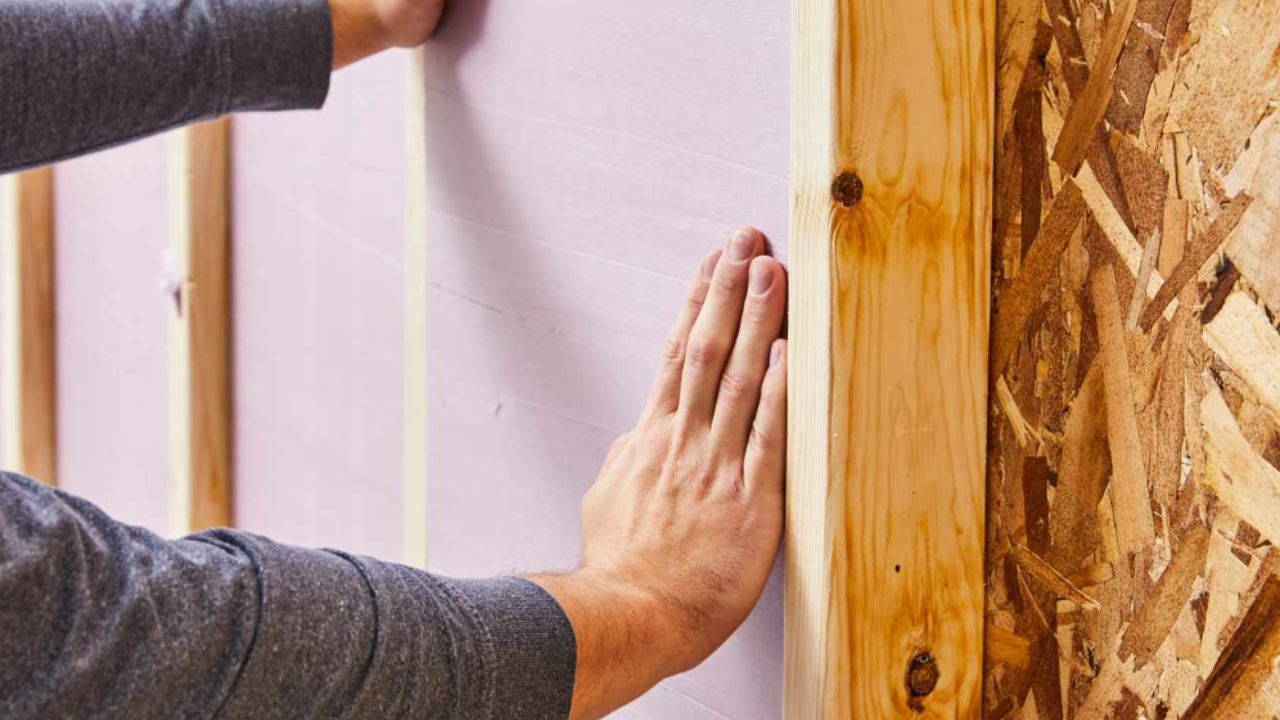
Best Insulation for Garage Walls (Cheap and Highly Effective Options That Actually Work)
If you're trying to choose the best insulation for garage walls, you're probably asking one main question:
How do I insulate my garage without overspending — while still making it comfortable and usable year-round?
The answer depends on how you use your garage, your climate, and your budget. But one option stands out again and again for homeowners and contractors alike:
Rigid foam board insulation.
Especially when reclaimed or surplus boards are available locally, foam board insulation can deliver strong performance at a much lower cost than traditional retail insulation materials.
In this guide, we’ll walk through:
-
the best insulation types for garage walls
-
which option is cheapest long-term
-
what works best for finished vs unfinished garages
-
how rigid foam compares to fiberglass and spray foam
-
when reclaimed insulation makes the most sense
-
how to choose the right thickness and material
Whether you're insulating a workshop, storage space, or future living area, this guide will help you make a smart decision.
Why Garage Wall Insulation Matters More Than Most People Think
Many homeowners assume garages don’t need insulation because they aren’t primary living spaces.
But insulating garage walls can dramatically improve:
-
winter comfort
-
summer heat control
-
noise reduction
-
moisture protection
-
workshop usability
-
energy efficiency (especially attached garages)
If your garage shares a wall with your home, insulation becomes even more important.
Without it, heat transfers directly between the garage and your living space.
That means:
- higher heating costs
- higher cooling costs
- more temperature swings inside your home
Proper insulation solves that problem quickly.
The Most Common Garage Wall Insulation Options
There are four main insulation types homeowners consider:
-
Fiberglass batts
-
Rigid foam board insulation
-
Spray foam insulation
-
Mineral wool (rockwool)
Each works — but they perform very differently depending on your goals and budget.
Let’s compare them.
Option 1: Rigid Foam Board Insulation (Best Overall Choice for Most Garages)
Rigid foam board insulation is one of the most versatile and effective solutions available today.
It comes in solid panels instead of rolls, making it easier to install neatly inside garage wall cavities or over exposed framing.
The three most common types are:
Polyiso insulation
XPS insulation
EPS foam board insulation
Each has slightly different strengths.
But all three provide strong thermal performance and moisture resistance.
Why Foam Board Works So Well in Garage Walls
Foam board insulation offers several advantages over traditional insulation materials:
Higher R-value per inch
Better moisture resistance
Cleaner installation
Long lifespan
Compatible with unfinished garages
Works well for workshops
And unlike fiberglass, foam board insulation doesn’t sag over time.
That means performance stays consistent year after year.
Option 2: Fiberglass Batts (Cheapest Up Front, But Not Always Best Long-Term)
Fiberglass insulation is the most common insulation used in residential construction.
It’s widely available and inexpensive at most hardware stores.
Many homeowners choose fiberglass simply because it’s familiar.
But garage environments are different from interior living spaces.
Garages often experience:
temperature swings
humidity changes
air leakage
open framing exposure
Fiberglass struggles in these conditions unless installed carefully with air sealing.
Otherwise, its real-world performance drops significantly.
When Fiberglass Still Makes Sense
Fiberglass can be a good option if:
your garage will be drywalled
your wall cavities are standard stud spacing
you are insulating temporarily
budget is extremely limited
Otherwise, rigid foam insulation usually performs better.
Option 3: Spray Foam Insulation (Best Performance — Highest Cost)
Spray foam insulation delivers the strongest air sealing performance of any insulation type.
It expands into wall cavities and seals small gaps automatically.
This makes it ideal for:
heated garages
converted living spaces
high-performance workshops
cold climate regions
However, spray foam installation is usually expensive compared to foam board insulation.
For many homeowners, rigid foam provides a better balance between cost and performance.
Option 4: Mineral Wool (Rockwool)
Mineral wool insulation is known for its:
fire resistance
soundproofing ability
moisture tolerance
It performs better than fiberglass in garages but typically costs more.
It’s often chosen when fire safety or noise reduction is a priority.
Otherwise, foam board insulation remains the most flexible option.
Why Foam Board Insulation Is the Smart Budget Upgrade
Rigid foam board insulation gives homeowners something rare:
near-premium performance at mid-range cost
Especially when reclaimed insulation is available locally.
Many contractors actively look for reclaimed foam board insulation for garage projects because it can reduce material costs dramatically.
Depending on availability, reclaimed insulation can cost:
30% to 70% less than retail pricing
while still delivering strong thermal performance.
The Three Types of Foam Board Insulation Explained
Understanding the difference between foam board types helps you choose the right one for your garage.
Polyiso (Polyisocyanurate)
Polyiso insulation offers the highest R-value per inch among common rigid insulation boards.
It’s widely used in commercial roof insulation systems but works extremely well in garages too.
Best for:
cold climates
attached garages
heated workshops
energy efficiency upgrades
Polyiso is one of the most popular reclaimed insulation materials available nationwide.
XPS (Extruded Polystyrene)
XPS insulation is dense, durable, and moisture resistant.
It’s often used for:
garage walls
basement walls
foundation insulation
floor insulation
It performs consistently even in challenging conditions.
EPS (Expanded Polystyrene)
EPS foam board insulation is lighter and usually more affordable than the other options.
It’s a strong choice when insulating:
detached garages
storage buildings
pole barns
workshops
EPS is commonly available in reclaimed inventory because it’s widely used in construction projects.
Choosing the Right Thickness for Garage Wall Insulation
Thickness determines insulation performance.
Typical recommendations include:
1 inch foam board → basic improvement
2 inches → strong performance
3 inches → excellent cold-weather protection
Many homeowners install layered boards to increase total insulation value.
Contractors often choose reclaimed boards in mixed thicknesses to match project needs while saving money.
Should You Insulate Detached vs Attached Garages Differently?
Yes — attached garages benefit more from insulation.
If your garage shares a wall with your home, insulation helps:
reduce heat transfer
improve comfort indoors
lower utility costs
Detached garages still benefit from insulation, especially if used as:
workshops
storage spaces
hobby rooms
But performance expectations are slightly different.
How Reclaimed Foam Board Insulation Reduces Project Costs
One reason rigid foam board insulation is becoming more popular is the availability of reclaimed materials.
These boards typically come from:
commercial roof replacements
surplus construction inventory
manufacturer overstock
unused pallet quantities
Instead of going to landfills, they’re resold through insulation suppliers nationwide.
This creates opportunities for homeowners and contractors to purchase high-quality insulation at reduced prices.
Many garage insulation projects are ideal candidates for reclaimed boards because:
appearance usually doesn’t matter
performance remains strong
installation is straightforward
For budget-conscious projects, reclaimed insulation is often the smartest option available.
Can You Use Reclaimed Foam Board Inside Garage Walls?
Yes.
Most reclaimed foam board insulation performs just as well as new material when installed correctly.
However, it’s always important to confirm:
board condition
thickness consistency
facing material type
Suppliers listed in insulation directories typically identify whether materials are:
reclaimed
factory seconds
overstock inventory
so buyers can compare options easily.
Should Garage Walls Be Insulated Before Drywall?
Yes.
Insulation should always be installed before interior wall finishes.
Common installation approaches include:
foam board between studs
foam board over studs
layered rigid insulation systems
The right method depends on your wall structure and project goals.
Many homeowners choose rigid foam board because it adapts easily to different wall layouts.
Air Sealing Matters as Much as Insulation
Even the best insulation won’t perform well if air leaks remain.
Garage insulation projects should also include sealing:
wall seams
corner joints
window gaps
top plates
bottom plates
Foam board insulation works especially well with sealing tape and adhesive systems designed for rigid panels.
This improves total performance significantly.
Best Insulation Strategy for Most Garage Wall Projects
For most homeowners, this combination works extremely well:
2-inch rigid foam board insulation between studs
sealed panel seams
optional drywall covering
This approach balances:
cost
performance
ease of installation
while delivering reliable year-round comfort improvements.
When Garage Wall Insulation Pays for Itself
Garage insulation improves more than comfort.
It can:
protect stored equipment
reduce moisture exposure
improve workshop usability
lower heating costs
increase property value
And when reclaimed foam board insulation is available locally, the return on investment improves even more.
How to Find Foam Board Insulation Suppliers Near You
Rigid foam board insulation availability changes frequently because reclaimed inventory depends on construction activity.
That’s why many homeowners and contractors use supplier directories to compare:
insulation types
board thickness options
pickup availability
regional inventory
before choosing where to buy.
Browsing suppliers near your location is usually the fastest way to see what insulation options are currently available for your garage insulation project.
Listings related to Best Insulation for Garage Walls (Cheap and Highly Effective Options That Actually Work)
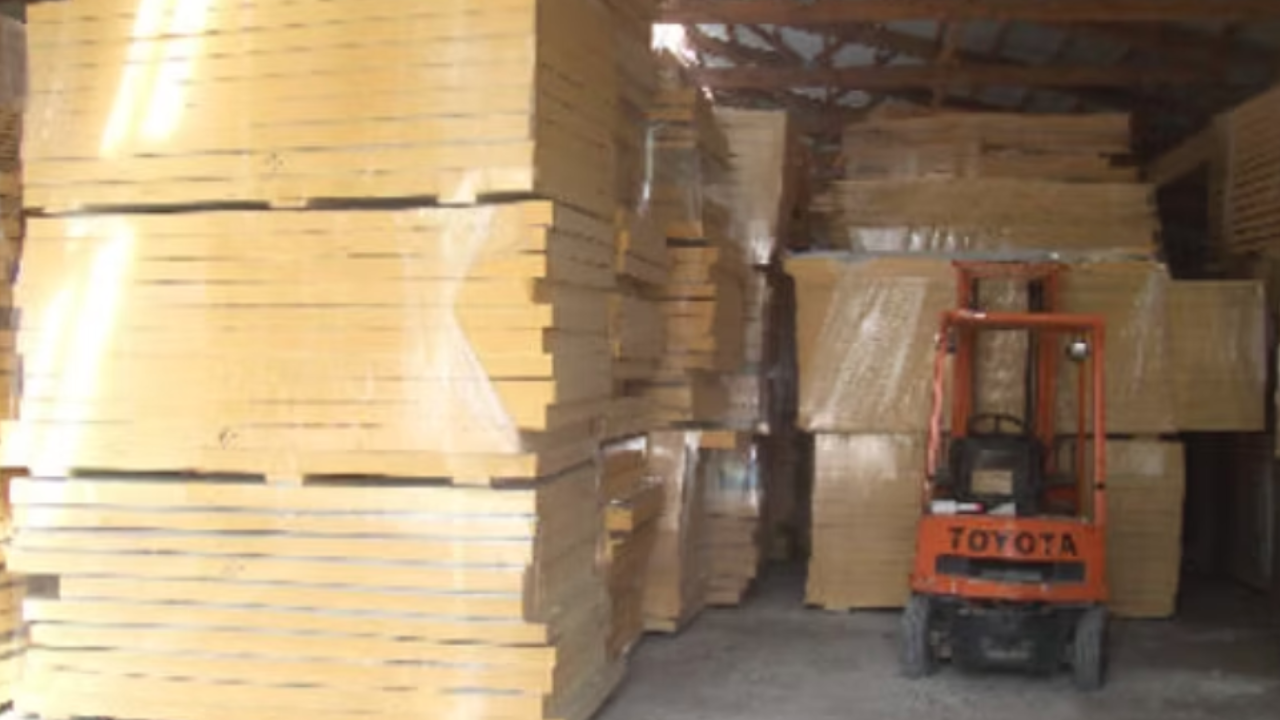
Ken Nichols Discount Foam Insulation
repurposedMATERIALS

Nationwide Foam Recycling
Nationwide Foam recycles all types of foam insulation board and roofing membrane at re-roofing job sites and production facilities across North America.